Hedge Trimming in Knightsbridge

Hedge Trimming Knightsbridge provides a focused hedge-cutting service in Knightsbridge for gardens that need clean lines, controlled growth and a finish that suits the setting. We work on formal boundary hedges, shaping hedges and seasonal cutbacks, with attention to the plant type, the condition of the growth and the result the property owner wants to see. The service is built around tidy, even and proportionate trimming rather than one-size-fits-all cutting.
Well-managed hedges do more than mark a boundary. They can define a front garden, soften brickwork, frame an entrance or screen parts of a property without looking overworked. Our approach is to trim with the structure of the hedge in mind, keeping the natural line where that matters and reducing excess growth where the hedge has become uneven. Careful cutting helps preserve the hedge’s appearance while keeping it practical for day-to-day use.
Use our team when the hedge needs routine maintenance, a neater profile after strong growth or a more considered finish after a period of neglect. We can support domestic gardens, communal outdoor spaces and other managed settings where the hedge is an important visible feature. If you are planning a larger garden update, you can also request a quotation once you have decided what needs cutting back.
What our hedge trimming service covers
Our hedge trimming work in Knightsbridge is centred on keeping hedges well presented, manageable and suitable for the space they occupy. That may involve reducing side growth, levelling the top, restoring a sharper outline or taking back a hedge that has begun to encroach on paths, gates, driveways or planted borders. We aim for a result that looks intentional rather than heavily reduced, because the best hedge work usually respects the plant’s shape as much as the desired size.
Different hedges need different treatment. Fast-growing species often benefit from repeated light trimming, while slower-growing or older hedges may need a more cautious cut to avoid exposing bare sections or creating an uneven finish. The work can be adapted for privacy hedges, decorative garden hedging and boundary planting, with the cut chosen to suit the hedge’s current density. If you already know the areas that need attention, it helps to note the hedge length, height and access when making contact.
Shaping, reduction and seasonal maintenance

Hedging often needs more than a quick top trim. Some hedges are maintained for symmetry, with a crisp formal profile that needs regular attention, while others are kept softer so they still blend into the garden. We can trim to shape, take back overextended growth and keep the overall line consistent from one end to the other. The aim is to make the hedge look maintained, not merely cut.
For hedges that have grown too wide or too tall, a reduction may be more suitable than a standard tidy-up. That kind of work needs judgement, because cutting too hard in one season can weaken the appearance of the hedge or expose gaps that take time to recover. A measured approach allows the hedge to remain usable while gradually bringing it back to a sensible size. Balanced pruning is often the difference between a temporary fix and a finish that lasts.
Seasonal maintenance is also important for hedges that define paths, drive edges or garden perimeters. Regular trimming keeps growth under control before it becomes difficult to manage, and it also helps retain clean sight lines and access where needed. If you are comparing options, think first about the outcome you want: sharper shape, reduced height, narrower width or a general tidy-up. Tell us the result you want and we can discuss the most suitable trimming approach.
Choosing the right cut for the hedge type
Some hedges respond well to a precise formal cut, while others look better when trimmed with a little softness in the outline. Evergreen hedges, mixed garden hedges and older boundary hedges can each need a different balance of finishing and restraint. A careful cut should leave the hedge with healthy-looking sides, a level top where appropriate and enough growth left to keep it dense. The method matters as much as the final shape.
When a hedge is being cut for privacy, the finish needs to keep the screening effect consistent along the full length. When it is part of a front garden, the emphasis may be on keeping edges neat without losing too much character. And when access is limited, the trimming plan has to allow for the space available around walls, railings, paving or planting beds. A good result is not just about appearance; it is about keeping the hedge suited to its role.
Common hedge trimming tasks

Our trimming service can include a number of practical hedge-care tasks, depending on what the hedge needs and how it is being used within the garden. These may include:
- routine hedge cutting to keep growth in line
- shaping to create a neater outline
- reducing width where hedges are spreading into paths or borders
- bringing down height where the hedge is becoming too dominant
- tidying hedges after a period of fast growth
- light corrective work where one section has grown unevenly
Each of these tasks has a different purpose. A tidy-up is usually about presentation, while a reduction is more about regaining control of size and access. Corrective trimming can be useful where one side of the hedge receives more light than the other, or where previous cutting has left the line slightly inconsistent. The best approach is usually the one that keeps the hedge healthy-looking while matching the property’s layout and the owner’s expectations.
If the hedge is close to walls, windows, railings or planting beds, trimming may need to be planned to avoid damage to surrounding features. That is one reason to think about the hedge as part of the wider garden rather than as an isolated plant. Careful detailing at the edges helps the result feel finished, especially in visible front and side gardens.
Preparing for hedge work
It is helpful to think through the hedge before asking for a quote. A short description of the hedge type, approximate length and whether it is mainly a boundary hedge or a decorative feature gives a clearer starting point. If the hedge has an area that is particularly overgrown, uneven or difficult to reach, mentioning that early makes it easier to discuss the likely scope of work. You do not need to over-explain; a straightforward description is often enough.
Photographs can also be useful when the hedge has varied heights, mixed species or access points that are not easy to describe in words. Images make it simpler to understand where the cut will need to be more detailed and whether the hedge is likely to need shaping, reduction or a routine trim. If you are contacting us about several garden tasks, list the hedge work separately so the trimming can be considered on its own merits. Once the scope is clearer, you can ask for a quotation with confidence.
Further garden services
Hedge trimming often sits alongside other garden maintenance, especially where the hedge is part of a broader outdoor scheme. In some properties, the hedge is one element of a larger tidy-up that may also include general cutting, edging or renewed planting structure. Where that is useful, our other garden services can help create a more joined-up finish, but the hedge still deserves its own attention because it gives shape to the garden’s overall design.
For gardens needing broader intervention, linked services such as garden maintenance and lawn mowing can support the hedge work by keeping the rest of the space orderly and balanced. If the garden has become more cluttered than usual, garden clearance may be relevant before or alongside trimming, while larger redesign ideas can be explored through landscape gardening and landscaping where a broader plan is needed.
When hedges sit within a more developed garden scheme, it can be useful to consider the surrounding features as well. For timber areas, decking services may be part of the wider outdoor layout, while tree-related work may be relevant where branches affect hedge light or space; in those cases tree lopping and removal is a separate type of service. Choose the service that matches the work rather than bundling everything together by default.
Why hedge shape matters

The shape of a hedge affects how the whole garden feels. A hedge with a clear line can make a property look more settled and cared for, while an uneven hedge can make even a well-kept garden appear unfinished. Good trimming considers the visual weight of the hedge from different viewpoints, not just the view from one side. A hedge seen from the street, the terrace or a path may need a slightly different finish to look right from each angle.
Height, width and taper all influence the final effect. Many hedges are cut so the base is slightly wider than the top, which helps light reach the lower growth and supports a fuller look. Others are kept deliberately formal, with straighter sides and a flat top to suit a structured garden. The best decision depends on the hedge species, the available space and the style of the property. Consistency across the full run is often what makes the biggest visual difference.
In a busy part of London, outdoor space is often used carefully, so a hedge that is trimmed well can do several jobs at once: screening, framing and softening hard edges. The service is therefore as much about proportion as it is about cutting. If the hedge needs a sharper profile, a reduction or simply a light tidy, the result should support the garden rather than dominate it.
About Knightsbridge
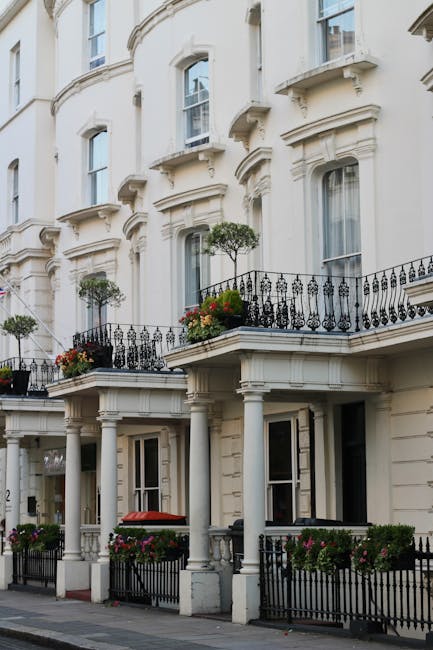
Knightsbridge is an affluent district in central London, positioned across parts of the City of Westminster and the Royal Borough of Kensington and Chelsea. The area is closely associated with large Victorian and Edwardian streets, diplomatic residences, high-end retail and a dense urban pattern of squares, terraces and mansion blocks. Its name has long been linked to the old crossing over the River Westbourne, a detail that points to the historical layers hidden beneath an area that now feels thoroughly metropolitan. Hyde Park lies to the north-east of Knightsbridge, with the wider green space helping to define the district’s character and giving it one of the capital’s best-known park edges.
Several landmarks help explain the area’s identity. Harrods stands as one of its most recognisable commercial buildings, while the Victoria and Albert Museum, the Natural History Museum and the Science Museum are all within easy reach to the west and south-west, giving the district strong cultural connections even where the streets themselves remain residential or mixed-use. Knightsbridge also sits near Belgravia and South Kensington, and this position contributes to a built environment that mixes grand façades, embassies, private garden squares and carefully maintained public streets. The result is an area where architecture, commerce and heritage coexist in close proximity rather than in separate zones.
Although Knightsbridge is now strongly associated with retail and prestige housing, it also reflects a long urban history of drainage, parkland edges and the gradual infill of former open ground. The nearby park, formal squares and major museums make the district feel shaped by both daily city life and longer cultural continuity. Streets can change character within a short walk, from quieter residential routes to busier shopping frontage, and that variety is part of what gives Knightsbridge its distinct place in central London.
Getting the right quotation

A sensible quotation starts with the hedge itself: its approximate size, how dense it is, whether it needs shaping or reduction, and how straightforward it is to reach. These points affect the amount of cutting involved and the time needed to complete the work properly. If there are access constraints, fragile borders or hard surfaces close to the hedge, those details are worth mentioning so the scope is understood from the outset. A quote is usually better when it reflects the actual condition of the hedge, not just its location.
If the hedge is part of a larger garden plan, it can help to separate the trimming from other tasks so the work is easy to assess. For example, you may want only the hedge cut this time, or you may be weighing hedge work against a general tidy-up elsewhere in the garden. The more clearly the task is described, the easier it is to decide what should be done now and what can wait. Clear information leads to a clearer quote, especially where the hedge line is long or the shape is uneven.
When you are ready, send the details that matter and request a quotation. If you would like to review the wider service range first, you can also visit the services overview, check our pricing and quotes page, or use the contact us page to make an enquiry. We will then discuss the hedge trimming work that best suits your property in Knightsbridge.